

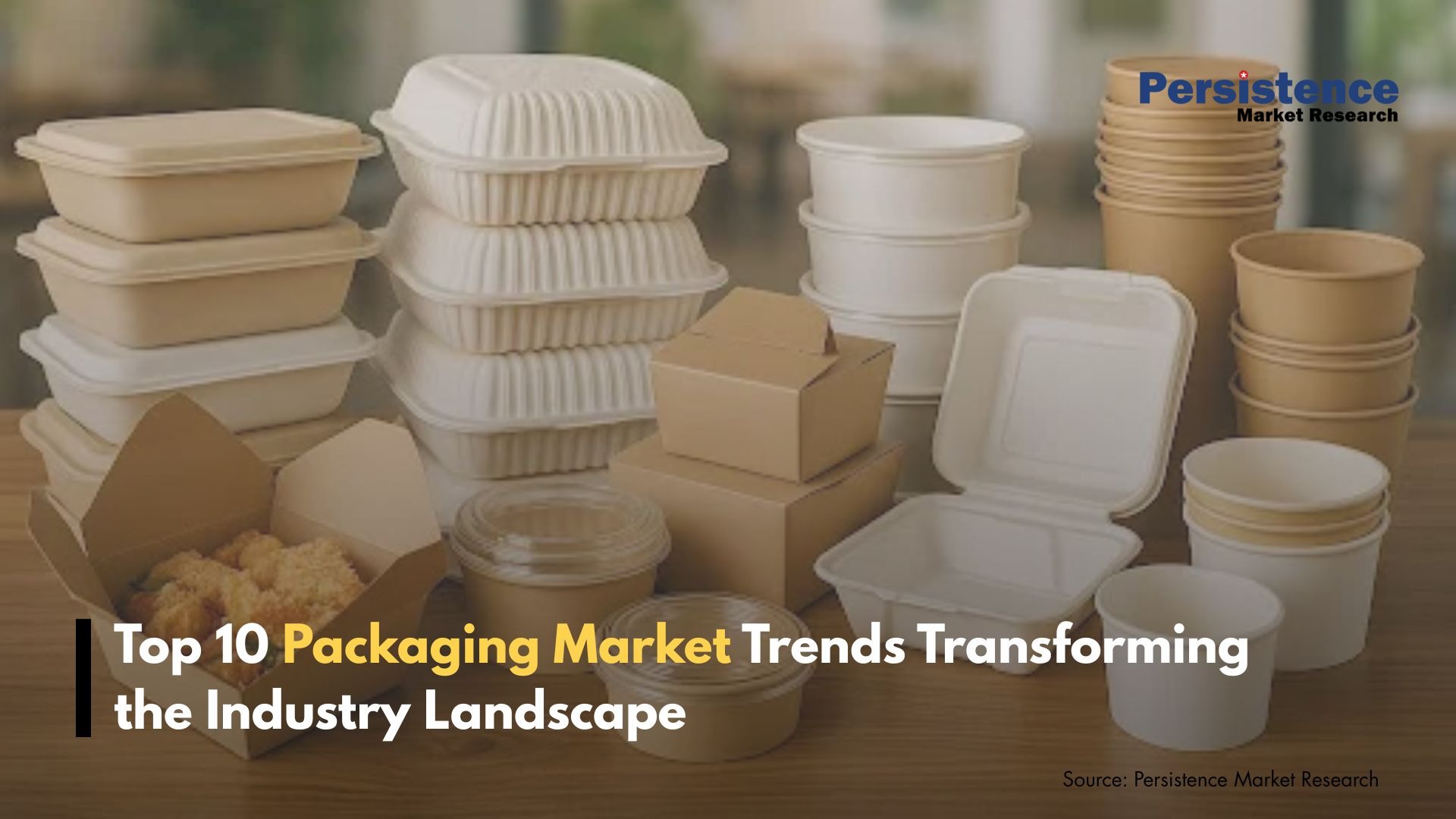
The following ten trends are redefining how packaging is designed, manufactured, and integrated into modern commerce.
1. Acceleration of Sustainable Material Adoption
Sustainability has moved from marketing language to structural transformation. Recyclable mono-material plastics, molded fiber alternatives, compostable films, and recycled content resins are expanding across product categories. Global brands are replacing multi-layer laminates with polyethylene or polypropylene mono-material formats that are compatible with existing recycling streams. Recycled PET in beverage bottles has become a mainstream solution rather than a premium niche. The shift reflects regulatory pressure, corporate ESG commitments, and consumer scrutiny around plastic waste.
2. Paperization of Flexible and Rigid Formats
Paper-based packaging is replacing plastic in applications once considered technically impractical. Advances in water-based coatings and barrier technologies now allow paper to provide moisture and oxygen resistance for dry foods, snacks, and some chilled products. Carton manufacturers have introduced high-renewable-content solutions for aseptic beverage packaging, reducing dependence on fossil-based polymers. This paperization trend is visible in quick-service restaurants, e-commerce mailers, and premium retail packaging.
3. Smart and Connected Packaging Technologies
Digital integration is transforming packaging into an information platform. QR codes, NFC chips, and printed electronics enable traceability, authentication, and consumer engagement. In food supply chains, time-temperature indicators and freshness sensors are being deployed to reduce spoilage and enhance safety transparency. In pharmaceuticals, serialization and track-and-trace systems support compliance and anti-counterfeiting measures. Smart packaging is increasingly linked to data analytics, allowing brands to collect post-sale interaction insights.
4. E-commerce Driven Structural Innovation
E-commerce growth has reshaped packaging performance requirements. Products must withstand individual shipment rather than palletized distribution. Corrugated board manufacturers are engineering lightweight yet stronger fluting structures to reduce shipping costs while maintaining protection. Right-sized packaging reduces void space and transportation emissions. Frustration-free designs that improve unboxing experiences have also gained importance, especially in consumer electronics and beauty segments.
5. Growth of Flexible Packaging Solutions
Flexible packaging continues to gain market share over rigid formats in several food and personal care categories. Stand-up pouches, spouted pouches, and resealable zipper bags offer material efficiency and extended shelf life. Compared to rigid containers, flexible formats typically require less raw material and lower transportation weight, contributing to cost efficiency. Innovations in retort pouches and high-barrier films have expanded their applicability to ready meals and processed foods.
6. Regulatory Transformation and Extended Producer Responsibility
Governments worldwide are implementing stricter packaging regulations, including plastic bans, recycled content mandates, and Extended Producer Responsibility frameworks. These policies require manufacturers to account for post-consumer waste management. In the European Union, packaging waste directives are accelerating recycled content requirements and design-for-recyclability standards. Similar policy movements are emerging in parts of Asia and North America. Compliance has become a central design parameter in packaging development.
7. Automation and Industry 4.0 Integration
Packaging manufacturing facilities are incorporating robotics, machine vision inspection systems, and predictive maintenance tools. Automated filling, sealing, and labeling lines improve efficiency while reducing contamination risks in food and pharmaceutical environments. Digital twins and real-time monitoring allow manufacturers to optimize throughput and reduce downtime. The integration of Industry 4.0 technologies is increasing operational resilience and lowering defect rates.
8. Rise of Reusable and Refill Systems
Reusable packaging models are gaining attention in both retail and foodservice sectors. Refill pouches for detergents and personal care products reduce plastic intensity per use cycle. Deposit-return systems for beverage containers are expanding in multiple regions, increasing collection rates and material recovery. In urban markets, pilot programs for reusable takeaway containers illustrate how circular models can operate within existing retail infrastructure.
9. Premiumization through Design and Functionality
Packaging is increasingly treated as an extension of brand identity. High-quality finishes, tactile surfaces, embossed paperboard, and innovative opening mechanisms elevate consumer perception. Luxury cosmetics and spirits brands use intricate structural designs to communicate exclusivity. At the same time, lightweight engineering ensures that aesthetic improvements do not significantly increase material usage. Premiumization now intersects with sustainability, where recyclable paperboard replaces laminated plastics without compromising visual appeal.
10. Consolidation and Strategic Expansion
The packaging industry is experiencing consolidation as large players expand capabilities across materials and geographies. For example, Amcor announced its acquisition of Berry Global, strengthening its global footprint in flexible and rigid packaging solutions. Such mergers enable economies of scale, expanded research capabilities, and broader sustainability investments. Consolidation also enhances bargaining power with raw material suppliers and multinational consumer goods companies.
Sectoral Impact across Key Industries
In the food and beverage industry, packaging innovation directly affects shelf life, food waste reduction, and supply chain efficiency. Modified atmosphere packaging and improved barrier films extend freshness for fresh produce and ready meals. In pharmaceuticals, tamper-evident seals and child-resistant closures improve safety compliance. In electronics, anti-static and protective packaging solutions prevent damage during global shipping.
The Structural Shift Ahead
The packaging market is transitioning from volume-based expansion to value-driven differentiation. Sustainability credentials, digital integration, and material efficiency define competitive positioning. Technological advancements in bio-based polymers, recyclable barrier coatings, and data-enabled packaging platforms indicate that the next phase of growth will be rooted in science and system design rather than incremental material substitution.
The industry’s evolution reflects broader economic and environmental transformations. Packaging no longer serves solely as containment and protection. It functions as a communication medium, a compliance tool, and a measurable contributor to environmental performance. As global consumption patterns expand and regulatory frameworks tighten, the packaging market stands at the intersection of innovation, responsibility, and industrial scale.


